Aesculus D30, Belladona D12, Calcium fluoratum D30, Carduus marianus D12, Hamamelis D6, Mezereum D12, Placenta (suis) D30, Pulsatilla D30, Secale cornutum D30 y Vipera berus D12
Targeting androgen receptor in glioblastoma
Its engineered to create a sharp, well-defined pulse of Growth Hormone (GH) release from the pituitary gland
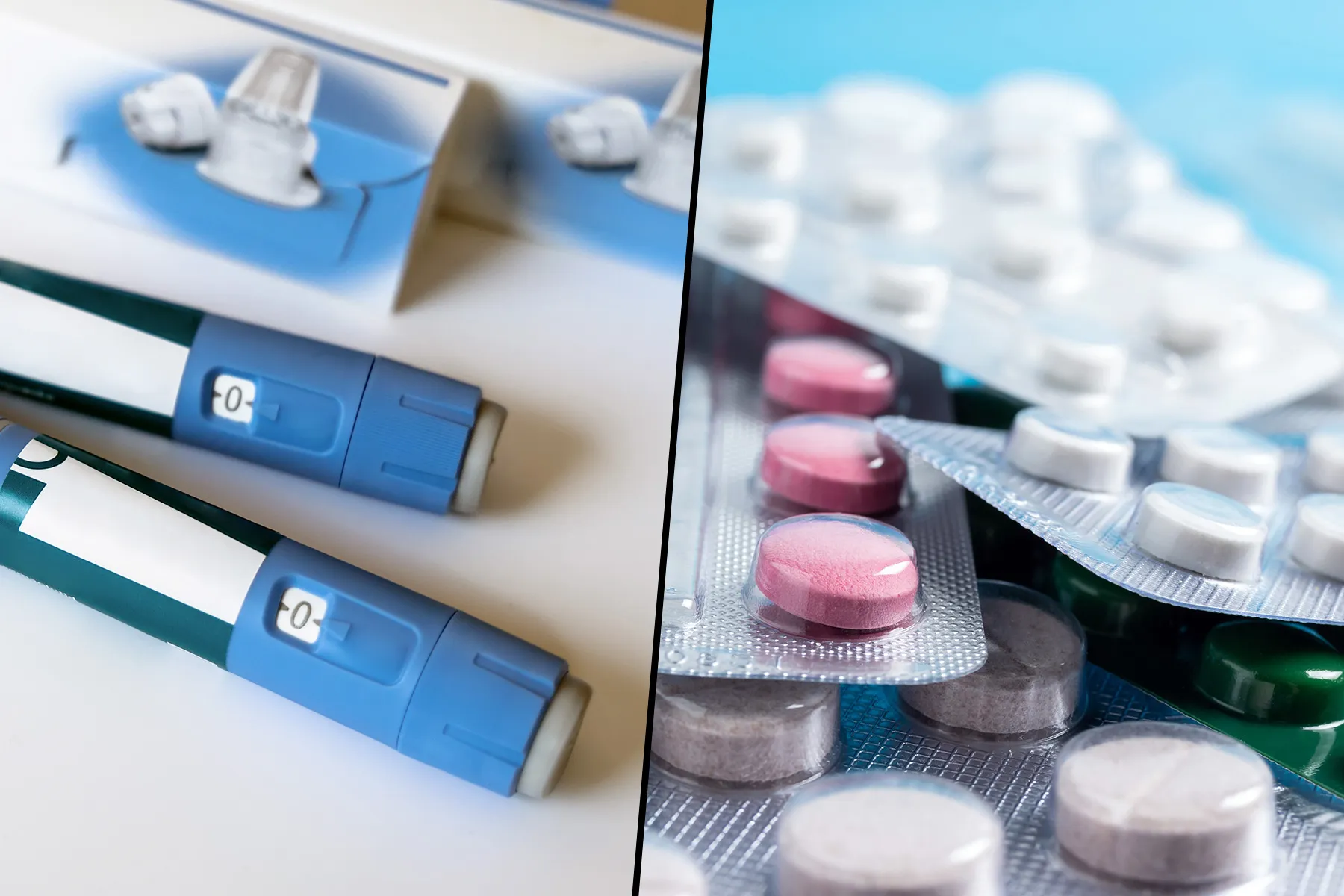
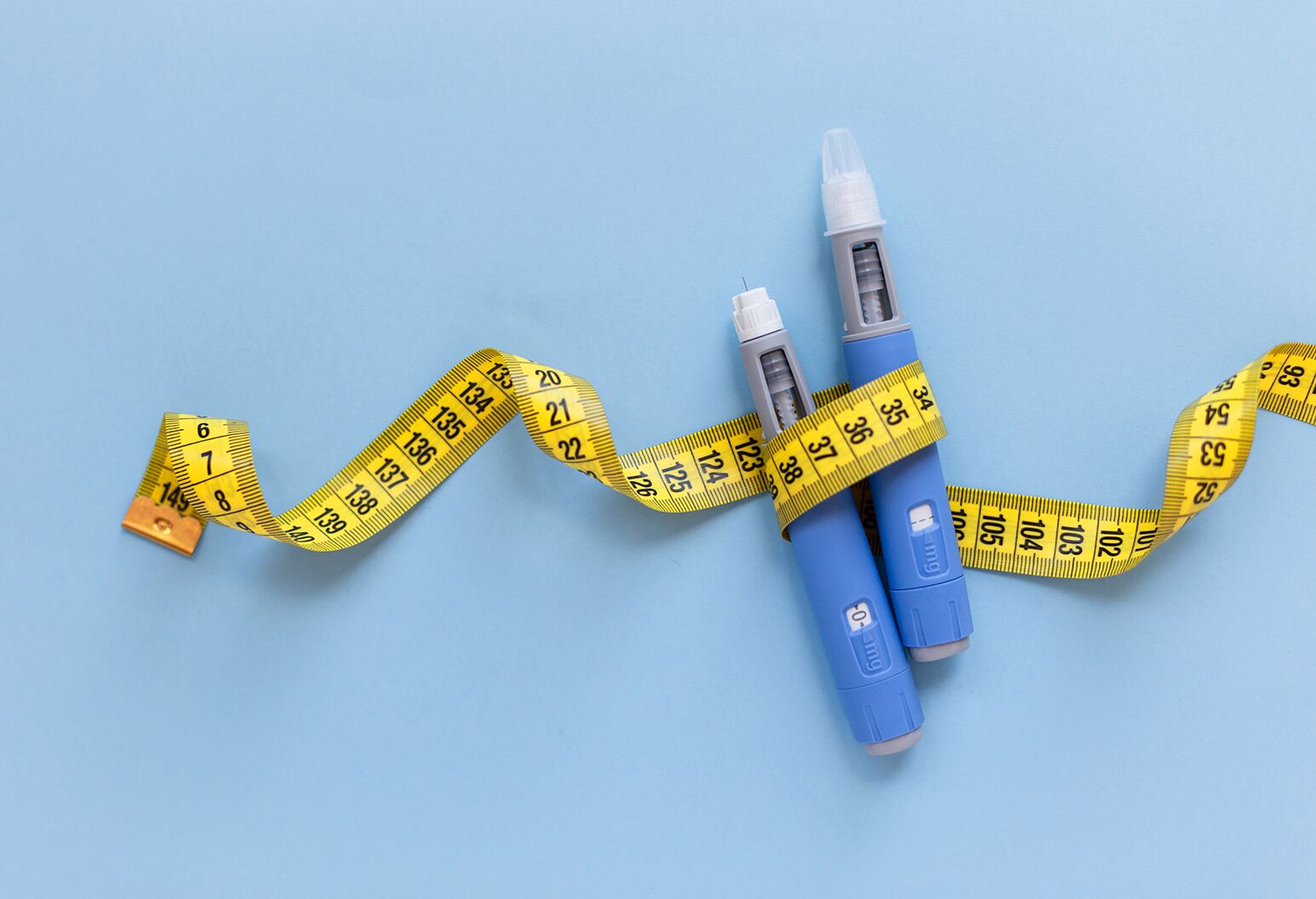
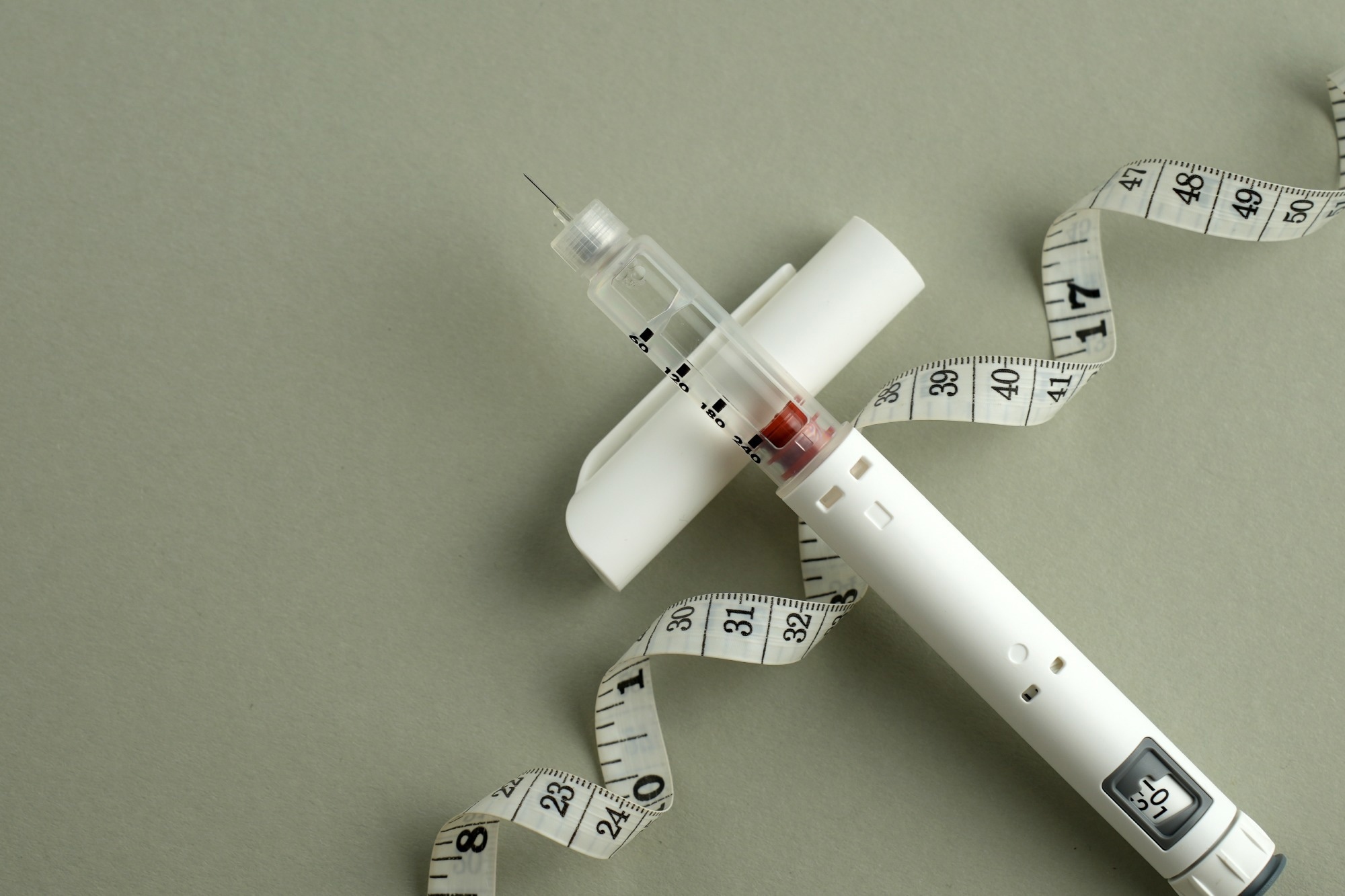
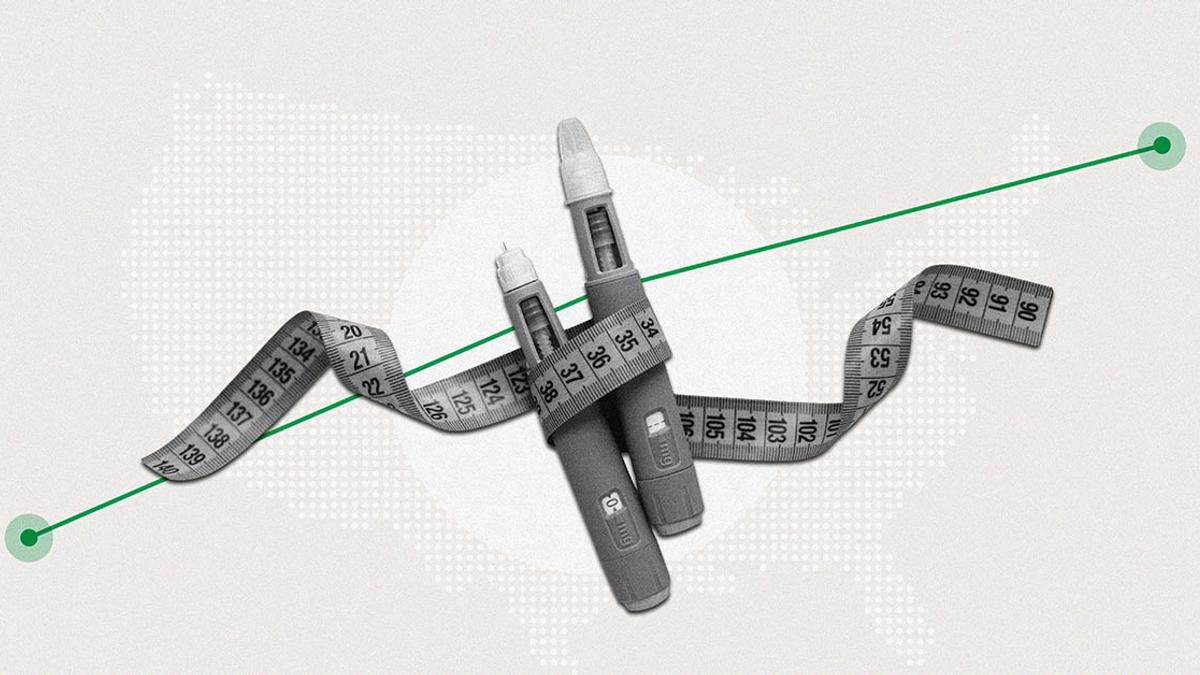
These treatments may be appropriate if: You have a BMI of 30 or higher (obesity), or 27 or higher with weight-related health conditions You have struggled to lose weight despite consistent diet and exercise efforts You have insulin resistance, prediabetes, or metabolic syndrome You carry excess visceral fat that increases cardiovascular and metabolic risk You want medical support for long-term, sustainable weight management You have experienced weight regain after previous dieting attempts You are committed to combining treatment with nutrition, movement, and lifestyle changes Who Should Avoid or Use Caution Individuals with a personal or family history of medullary thyroid carcinoma or MEN2 syndrome (contraindication for GLP-1 agonists) Those with a history of pancreatitis Pregnant or breastfeeding women Individuals with active gallbladder disease Those with severe gastrointestinal conditions Anyone with pituitary disorders (for GH-releasing peptides) What to Expect During Treatment First Month Gradual dose titration to minimize side effects Early appetite reduction with GLP-1 agonists Possible mild nausea that typically improves with time Initial weight loss of 2 to 5 pounds (much of this may be water weight) Months 2-3 Steady, consistent weight loss of 1 to 2 pounds per week Significant reduction in hunger and cravings Improved energy levels and sleep quality Early body composition changes becoming visible Months 3-6 Continued weight loss with improving body composition Clothes fitting differently, visible physical changes Metabolic markers (blood sugar, cholesterol, blood pressure) improving Workout performance and recovery often enhanced Months 6-12 Approaching maximum weight loss potential for the given peptide Significant improvements in metabolic health markers Sustained appetite regulation Long-term lifestyle habits becoming established Are Weight Loss Peptides Safe













![Fusion Front Flush Kit f/MS-RA770 Apollo Series [010-12817-00] Communication | CB Radios](https://cdn.shopify.com/s/files/1/0559/7800/0581/products/73986XL.jpg?v=1617447477)